
How to make seed bombs with children
This blog is reader-supported. When you purchase something through an affiliate link on this site, we may earn some coffee money. Thanks! Learn more.
Seed bombs have a lot going for them as an outdoor activity. They’re messy, they involve throwing things, and if all goes well, there are flowers at the end of it. What’s not to love?
They’re also one of those activities where children are more patient than you’d expect. Waiting weeks for something to sprout is easier when you made the thing yourself and threw it as hard as you could.
Here’s how to make them, which seeds to use, and how to avoid the most common reasons they don’t grow.
What is a seed bomb?
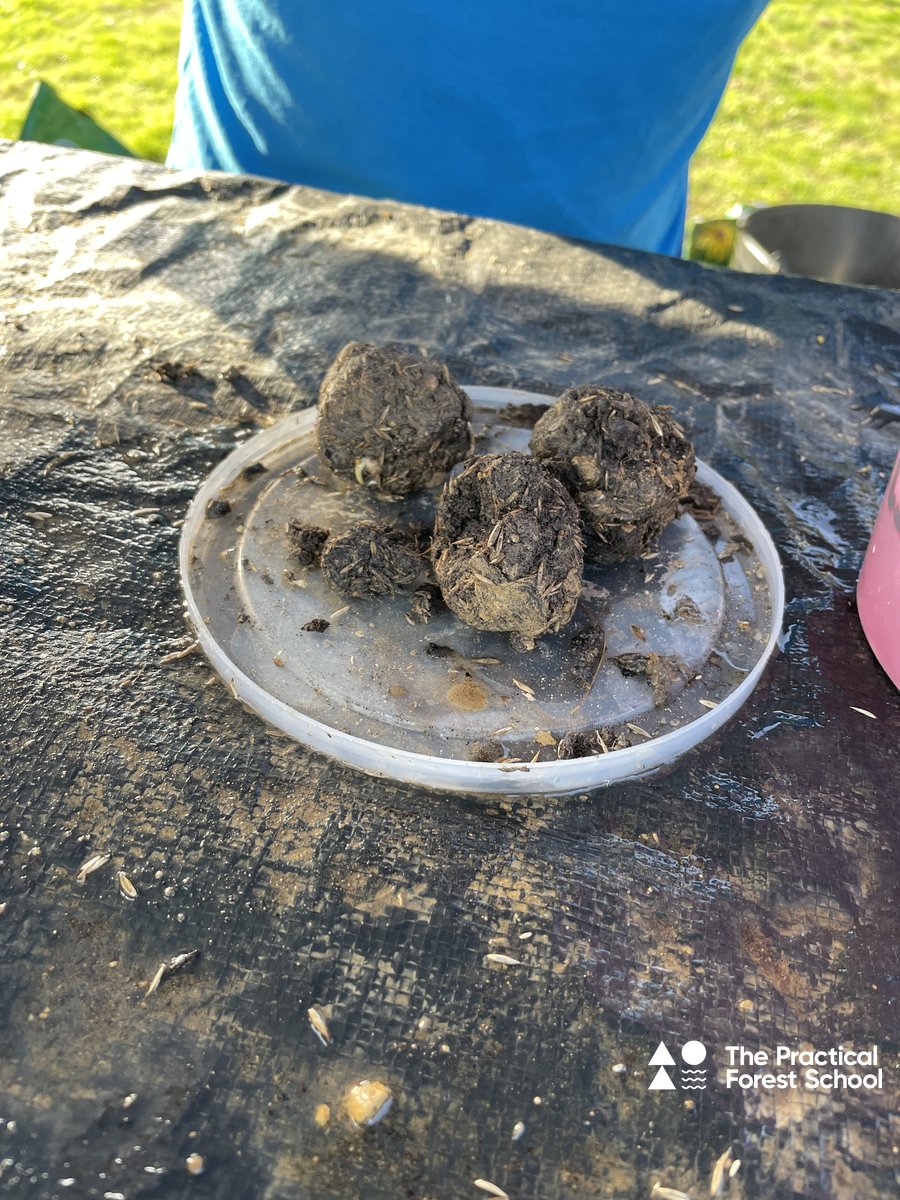
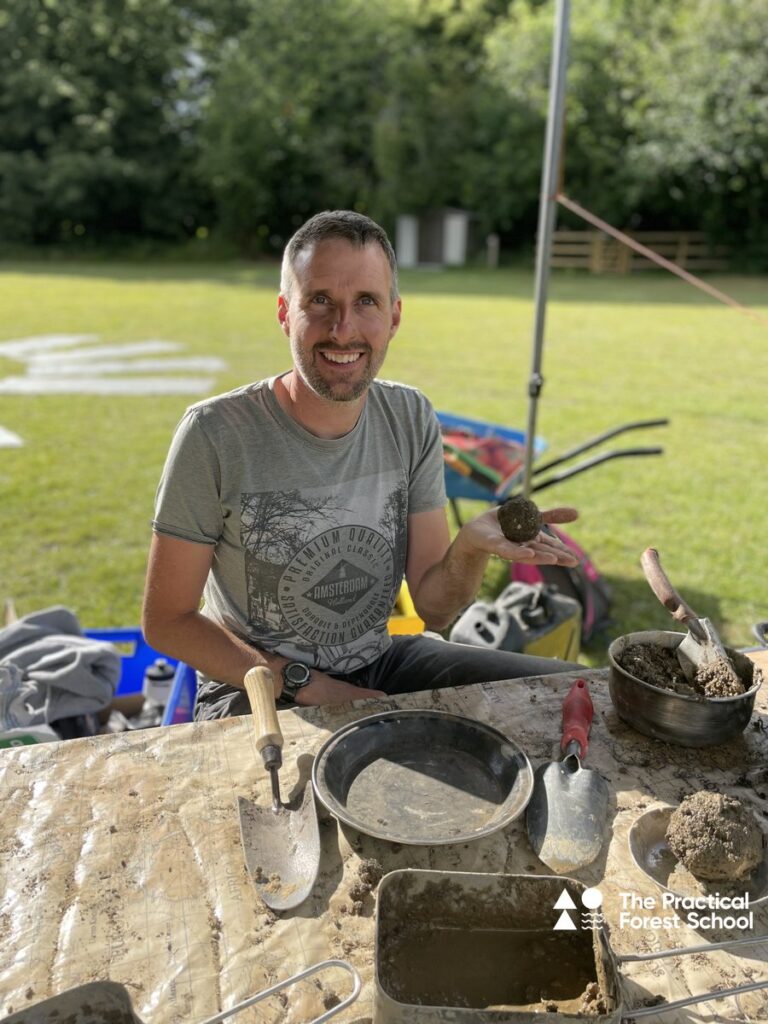
A seed bomb (or seed ball) is a small ball of clay, compost and seeds. The clay holds everything together and protects the seeds from birds, mice and ants until there’s enough rain to break it down.
The compost gives the seedlings a bit of food once they sprout. It’s a simple idea, and it means you can sow seeds on bare ground without digging.
What you’ll need
The recipe we’d point people to is the one from The Wildlife Trusts, which keeps things simple. You’ll need:
- Wildflower seeds, ideally native meadow flowers
- Peat-free compost
- Powdered clay (from a craft shop), or clay soil if you have it
- Water
- A mixing bowl or bucket
- A tray or egg boxes for drying
The Wildlife Trusts suggest about an hour for the whole activity, which is about right. Allow extra for hand-washing, which is the part that takes longest!
When we’ve done this at school summer fetes, we’ve rigged up a hand wash station. Pack more towels than you think you’ll need!
How to make seed bombs
The Wildlife Trusts’ method uses these proportions:
- Mix 1 cup of seeds with 5 cups of compost and 2 to 3 cups of clay powder
- Slowly add water, mixing with your hands, until it all sticks together
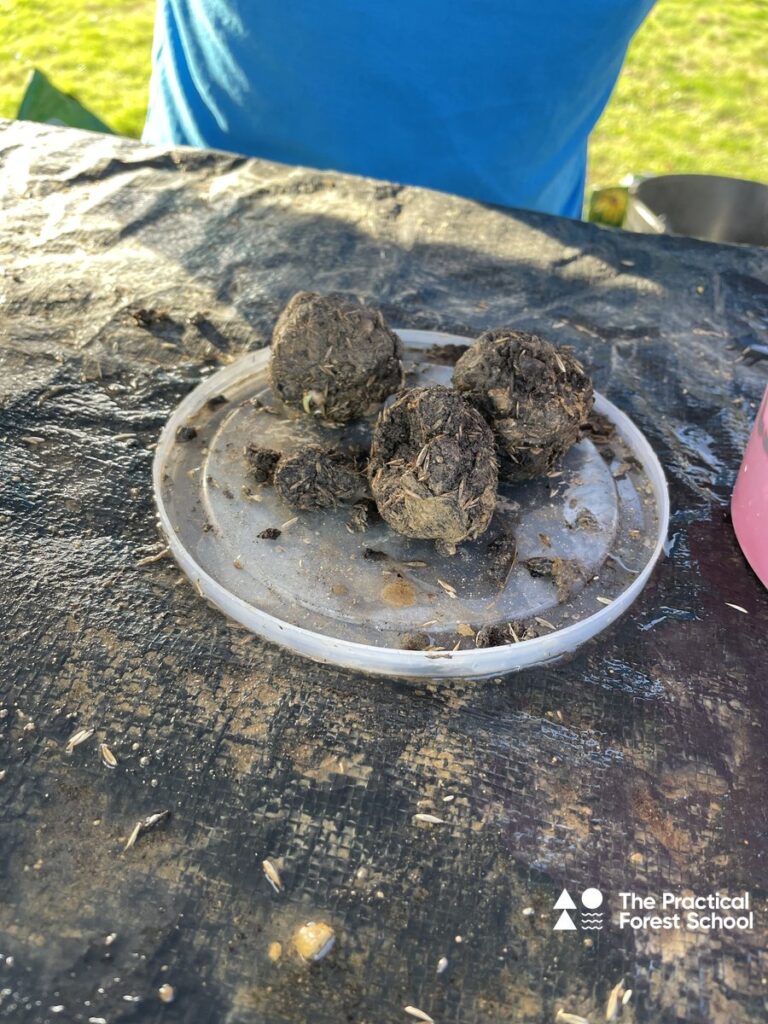
- Roll the mixture into firm balls
- Leave them to dry in a sunny spot
A few tips we’d add from experience:
- Add the water a little at a time. Too much and you’ve made soup, and there’s no coming back from soup.
- Aim for balls about the size of a large marble or a walnut. Bigger ones take longer to break down.
- If you’re working with a group, mix the dry ingredients first, then hand out portions to each child to wet and roll. It keeps the mess contained, mostly.
- Write names on the drying tray, or every seed bomb will be claimed by everyone.
Finally, if the children are taking their seed balls home (like at a school fete), then they’ll need something to do that with. We’ve found pet poo bags work the best. They are a good size, pretty cheap and you get a lot in a packet, plus they are super waterproof and perfect for slipping into your pocket to take your mud ball home! (Or passing it to a parent to carry!)
Which seeds to use
Native wildflowers are the safest bet for UK gardens and school grounds. They’re adapted to local conditions and they support local insects.
The Wildlife Trusts suggest a list that includes:
- Bird’s-foot trefoil
- Common knapweed
- Red clover
- Lady’s bedstraw
- Wild thyme
- Bulbous buttercup.
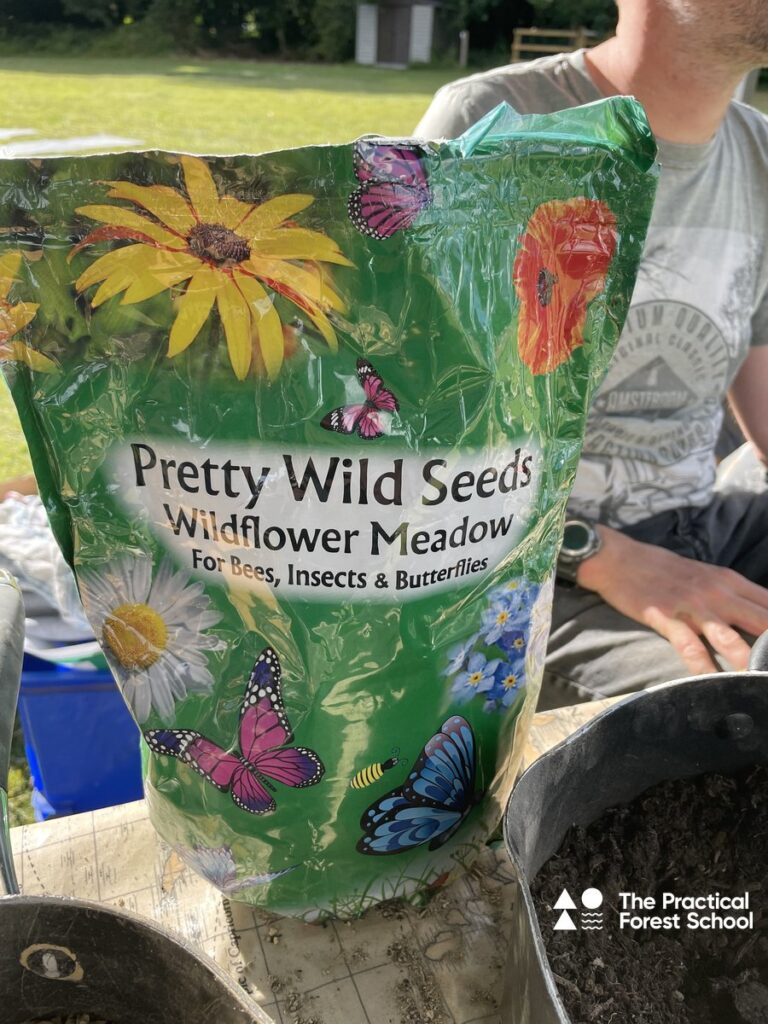
We got a big pack online, but garden centres also sell mixes you can use.
It’s worth checking a seed packet says “native” or “UK native” rather than “wildflower mix”, since some mixes include non-native garden annuals. They’ll still flower, but they won’t do as much for local wildlife.
When to sow seed bombs
Spring and autumn are the usual times. Autumn sowing suits many native wildflowers, which need a spell of cold weather before they’ll germinate, so October is a good month for this activity.
Expect a wait. Some wildflowers sprout within a few weeks of a good rain, but many perennials won’t flower until their second year. We’d recommend telling children this upfront, so they don’t dig the seed bomb up in November to check on it.
Where to throw them (and where not to)
Seed bombs grew out of guerrilla gardening, where people threw them onto neglected land without asking. That’s not something we’d encourage with children.
Our advice is to throw seed bombs only where you have permission. Good spots include:
- Bare patches in your own garden
- A corner of the school field the site manager has agreed to leave unmown
- Planters, pots and raised beds
- Community growing spaces, with the organisers’ agreement.
Places to avoid:
- Nature reserves and protected sites, where new plants can upset what’s already there
- Farmland, verges and parks, unless you have permission from whoever manages them
- Lawns that will be mown next week.
Seed bombs also need bare soil to grow. Throwing them into thick grass rarely works, because the grass gets the light and water first.
Making it a learning activity
Seed bombs make a good hook for talking about pollinators, seeds and how plants spread. A few ways to extend it:
- Seed detectives: look for natural seed dispersal on the same day, from sycamore helicopters to burrs on socks.
- Bee watch: return to the spot next summer and count which insects visit.
- Measure and record: mark where each bomb landed with a stick, and keep a simple growth diary. Your forest school area whiteboard could be used for this.
- Compare: sow one batch in autumn and one in spring, and see which does better.
For younger children, we would keep the science simple. Seeds need water, light and soil, and the seed bomb is a packed lunch to get them started.
Seed bombs as gifts
Dried seed bombs keep well somewhere cool and dry – transfer them out of the plastic poo bag and into a paper bag so they can dry out. Then they make them a good end-of-term gift or a craft for a fair.
Add a small label with what’s inside and when to sow it, which the children can write themselves. Otherwise you’ll end up with a lot of confused messages when the parents find dirt balls in a few months’ time!

About the author: Jon Borley
Jon qualified as a Level 3 Forest School Leader with the Sussex Wildlife Trust. He has worked independently as a practitioner running forest school clubs and also within schools both in a forest school capacity and as an outdoor learning teaching assistant, working with preschoolers to secondary-aged children. He has previously led sessions for adults as part of professional development events for the Sussex FSA, and is a member of MIAS.